
What Is Data Center Training and Why It Matters for an IT Career
- January 10, 2026
- Posted by: newmacobitdxb
- Category: Uncategorized ,
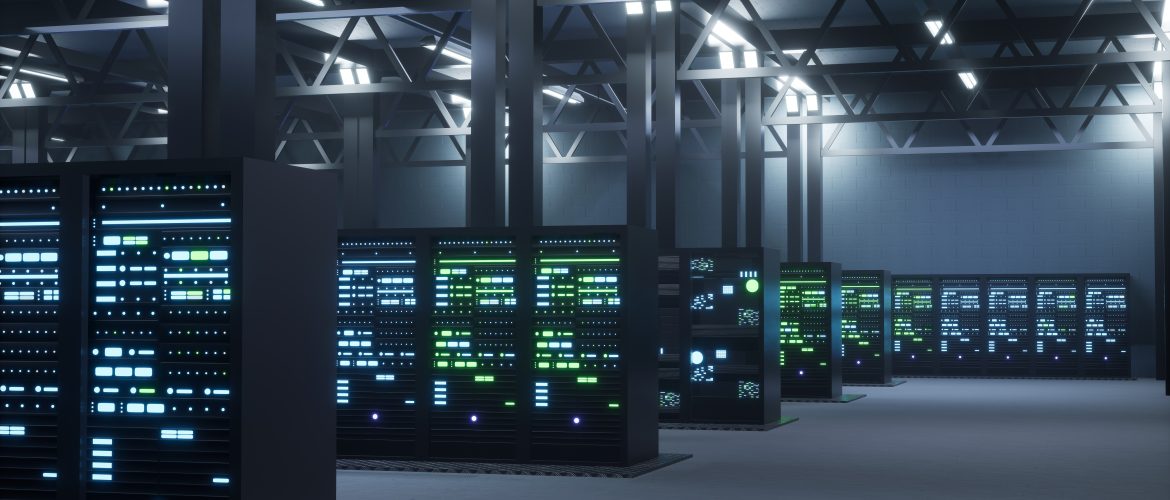
When people think about careers in technology, they often focus on software development, cybersecurity, or cloud computing. However, behind every website, business application, cloud service, and digital platform lies an essential component that keeps everything running smoothly: the data center. For individuals seeking Practical IT Training Dubai, understanding data center operations is an excellent way to build a strong foundation for a successful IT career.
From banking systems and healthcare applications to online shopping platforms and cloud services, businesses rely heavily on data centers to store, process, and manage their information. This growing dependence on digital infrastructure has created increasing demand for professionals who understand how these environments operate.
For students planning to enter the IT industry, data center training provides valuable practical knowledge that forms the foundation of many infrastructure-related careers. Understanding how data centers work not only improves technical skills but also opens doors to various career opportunities in networking, cloud computing, server administration, and IT infrastructure management.
Understanding What a Data Center Is
A data center is a facility that houses the critical technology systems that businesses use every day. It contains servers, networking equipment, storage devices, power systems, cooling infrastructure, and security controls that support an organization’s digital operations.
Whenever you access cloud storage, send an email, stream a video, or use an online banking application, there is a high chance that a data center is working behind the scenes to deliver those services.
Modern data centers are designed to provide:
- High availability of systems and applications
- Secure storage of business data
- Reliable network connectivity
- Disaster recovery capabilities
- Efficient management of IT infrastructure
Companies rely on data centers to ensure business continuity. If a data center fails, business operations stop. That is why trained IT professionals are needed to manage and maintain these environments.
As organizations continue expanding their digital operations, maintaining these environments requires skilled professionals with specialized knowledge.
What Is Data Center Training?
Data center training focuses on teaching students the technical skills required to understand, manage, and support data center environments. Unlike purely theoretical courses, effective training programs emphasize practical exposure to infrastructure components commonly found in enterprise environments.
Students learn how different technologies work together to support business operations. This includes understanding servers, networking devices, virtualization technologies, storage systems, and operational best practices.
Typical areas covered during data center training include:
| Training Area | Skills Developed |
|---|---|
| Server Administration | Installing and managing server environments |
| Networking Fundamentals | Understanding switches, routers, and connectivity |
| Virtualization | Managing virtual machines and resources |
| Storage Technologies | Configuring and maintaining storage systems |
| Power and Cooling Concepts | Understanding infrastructure reliability |
| Security Fundamentals | Protecting critical infrastructure assets |
| Monitoring and Troubleshooting | Identifying and resolving system issues |
These practical skills help students develop a broader understanding of enterprise IT operations.
Why Data Center Knowledge Matters Today
Many people assume that cloud computing has replaced data centers. In reality, cloud services themselves operate from massive data center environments. Major cloud providers maintain thousands of servers across global data center facilities.
This means that even as businesses move toward cloud adoption, infrastructure knowledge remains highly valuable. Professionals who understand data center operations often find it easier to transition into cloud administration, infrastructure engineering, and systems management roles.
Organizations continue investing heavily in infrastructure because reliable digital services depend on strong backend systems. Without properly managed data centers, businesses may face downtime, security risks, and operational disruptions.
How Data Center Training Supports Career Growth
One of the biggest advantages of data center training is that it provides exposure to multiple areas of IT rather than focusing on a single technology.
Students gain foundational knowledge in:
- Networking and connectivity
- Server administration
- Virtualization technologies
- Infrastructure security
- Troubleshooting methodologies
- System monitoring practices
This broad skill set makes professionals more adaptable within the IT industry. Rather than limiting career opportunities to one specialization, data center training creates pathways into several infrastructure-related fields.
Common career paths include:
| Career Role | Primary Responsibilities |
| Data Center Technician | Supporting hardware and infrastructure operations |
| IT Support Engineer | Troubleshooting systems and user issues |
| Network Administrator | Managing enterprise networks |
| System Administrator | Maintaining server environments |
| Infrastructure Engineer | Designing and supporting IT infrastructure |
| Cloud Support Associate | Assisting with cloud-based environments |
These roles often serve as stepping stones toward advanced positions in cloud computing and cybersecurity.
The Importance of Practical Learning
Employers increasingly value practical abilities alongside theoretical understanding. Many organizations seek candidates who can apply technical concepts in real-world situations rather than simply recalling information from textbooks.
Data center environments provide excellent opportunities for hands-on learning because they combine multiple technologies within one operational setting.
Students benefit from practical experiences such as:
- Configuring servers
- Understanding rack environments
- Connecting network devices
- Monitoring system performance
- Performing troubleshooting exercises
- Implementing basic security measures
This exposure builds confidence and helps students develop problem-solving abilities that employers highly appreciate.
Why Data Center Training Is Valuable for Beginners
For students who are new to the IT industry, data center training offers a structured introduction to enterprise technologies. It allows beginners to understand how different systems interact while building essential technical foundations.
Unlike highly specialized areas that may require advanced experience, data center concepts can be learned progressively. This makes them accessible to:
- Fresh graduates
- Diploma holders
- Career changers
- Individuals exploring IT careers for the first time
The broad exposure provided by data center training also helps students identify areas they may wish to specialize in later.
Data Centers and the Future of IT
Digital transformation continues accelerating across industries worldwide. Organizations are investing in hybrid infrastructure models that combine traditional data centers with cloud services.
Emerging technologies such as artificial intelligence, Internet of Things (IoT), big data analytics, and edge computing are increasing demand for robust infrastructure environments.
As technology evolves, professionals who understand infrastructure fundamentals will continue playing an important role in maintaining business continuity and supporting innovation.
This makes data center knowledge a valuable long-term investment for individuals planning sustainable careers in IT.
Conclusion
Data center training goes far beyond learning how servers operate. It provides students with practical exposure to the technologies that power modern businesses, including networking, virtualization, storage, and infrastructure management.
For individuals beginning their IT journey, understanding data center operations builds strong technical foundations and creates opportunities across multiple career paths. As organizations continue expanding their digital infrastructure, professionals with practical infrastructure skills will remain highly relevant in the evolving technology landscape.
At Macob IT Solutions, our practical IT infrastructure programs focus on helping students gain hands-on experience with real-world technologies, preparing them for successful careers in today’s rapidly changing IT industry. Whether your goal is to work in networking, cloud computing, system administration, or infrastructure support, data center knowledge can be a valuable first step toward building a rewarding IT career.